Why does a stimulant make someone with ADHD calmer?
The calming effect of stimulants in ADHD is not actually a paradox. Research shows that low oral doses of stimulants improve focus and reduce restlessness in both people with ADHD and those without it. The apparent contradiction dissolves once you understand that therapeutic doses act on specific brain circuits rather than flooding the entire brain with activity.
For decades, clinicians assumed stimulants had a unique, opposite effect in people with ADHD compared to the general population. That assumption turned out to be wrong. Seminal animal research demonstrated that low, clinically relevant doses of methylphenidate reduce locomotor activity even in typical rats, not just in models of ADHD (Arnsten, 2006) [1]. The difference is not who takes the medication. The difference is the dose. At low doses, stimulants sharpen prefrontal cortex function. At high doses, they can impair it and produce the jittery, wired feeling most people associate with stimulants.
This distinction matters because it shifts the conversation from "ADHD brains are wired backwards" to a more precise explanation: the prefrontal cortex in ADHD may be operating below its optimal level of catecholamine input, and a carefully calibrated dose can bring it closer to the range where it works well. For a broader look at what causes ADHD at the brain level, the story centers on these same neurotransmitter systems, and our medication and treatment hub pulls the clinical side of that literature together.
How do dopamine and norepinephrine explain the calming effect?
Stimulants like methylphenidate and amphetamine increase the availability of two neurotransmitters, dopamine and norepinephrine, in the spaces between neurons. At therapeutic doses, this increase is concentrated in the prefrontal cortex rather than spread across the whole brain. That regional specificity is what makes the calming effect possible.
Dopamine and norepinephrine are catecholamines, chemical messengers that help neurons communicate. The prefrontal cortex uses them to maintain working memory (holding information in mind while you use it), filter distractions, and inhibit impulsive responses. When catecholamine levels in this region are too low, those functions weaken. The person may feel restless, distractible, and unable to follow through on intentions.
Research by Berridge and colleagues showed that cognition-enhancing doses of stimulants elevate catecholamine levels preferentially within the prefrontal cortex, while having only subtle effects on deeper brain structures involved in reward and movement (Berridge et al., 2011) [2]. This is a critical detail. It means the therapeutic dose is not simply a smaller version of the recreational dose. It acts in a different place.
"Low doses of stimulants focus attention and improve executive function in both normal and ADHD subjects."
Arnsten AF, 2006 [1]
At the receptor level, the improvement appears to involve two specific receptor types: alpha-2A adrenoceptors (which respond to norepinephrine) and D1 dopamine receptors. When both are engaged at moderate levels, prefrontal cortex function strengthens. Block either one, and the cognitive benefit disappears (Arnsten, 2006) [1]. This dual-receptor requirement helps explain why the therapeutic window for stimulants can be narrow: too little catecholamine input and the prefrontal cortex stays sluggish, too much and it becomes overwhelmed.
For more on how these neurotransmitter systems relate to motivation and reward, see our guide on ADHD, stimulants, and the reward brain.
What is optimal arousal, and why does it matter for ADHD?
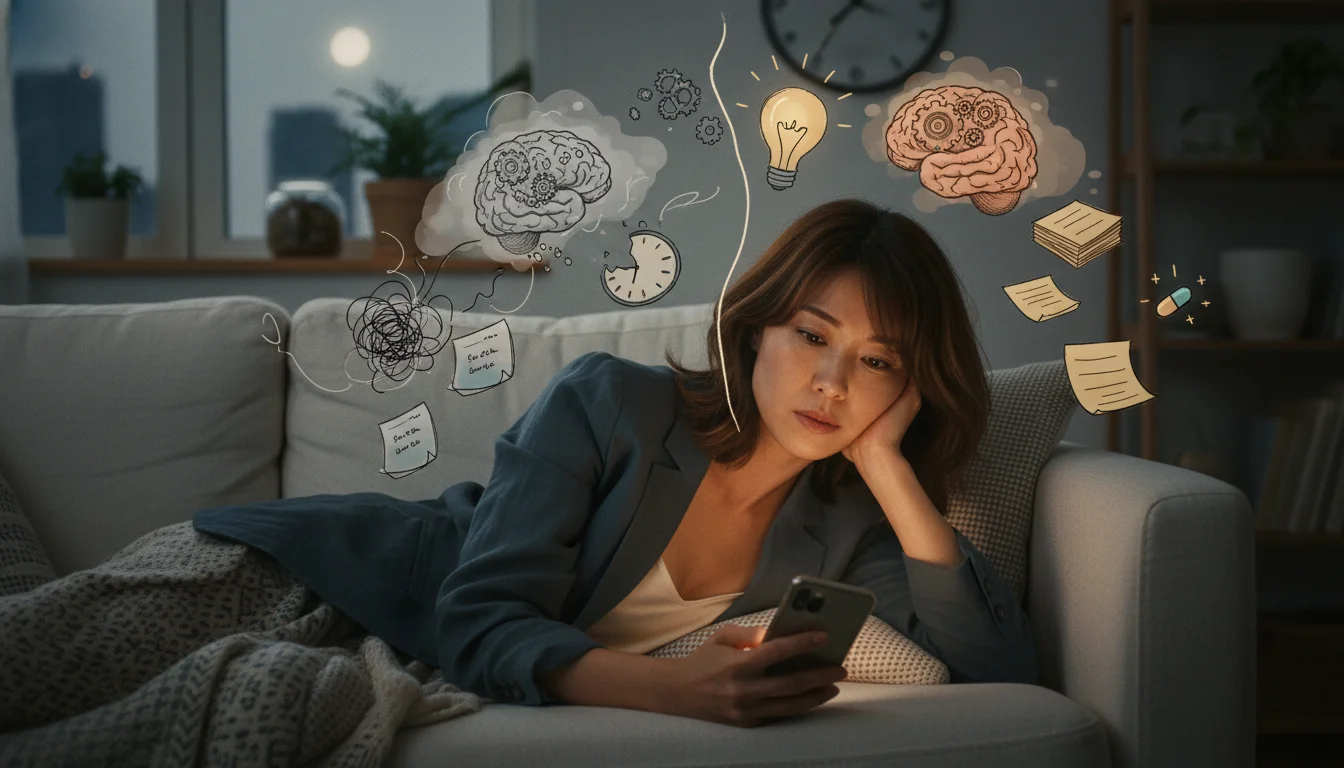
 The understimulated ADHD brain actively seeks new input, which is why sitting still without stimulation can feel physically uncomfortable.
Optimal arousal theory proposes that every brain has a range of internal stimulation where it performs best. In ADHD, the resting arousal level may sit below that range, which drives the brain to seek stimulation through movement, novelty, or impulsive action. Stimulant medication can raise arousal into the productive zone, reducing the need for external stimulation-seeking.
Think of it as a thermostat. A brain running "too cool" in terms of internal activation will try to generate its own heat: fidgeting, switching tasks, chasing new inputs. These behaviors look like hyperactivity and inattention from the outside, but from the inside they may be the brain's attempt to reach a functional level of alertness. When a stimulant raises the baseline, the compensatory behaviors become less necessary.
This framework also explains a common observation: some adults with ADHD feel calmer and can even fall asleep more easily after taking their medication. The restlessness that kept them pacing or scrolling was not excess energy. It was a response to insufficient internal arousal. A conceptual review of the "stimulant paradox" in adult ADHD describes this timing-dependent relationship between medication, arousal, and even sleep (Jaeschke & Sułkowska, 2025) [4].
Individual responses vary considerably. Some people find that stimulants improve focus but increase physical tension. Others notice calm focus during the day but difficulty sleeping if the dose is timed poorly. These differences underscore why dose and timing should be worked out with a prescribing clinician rather than adjusted independently.
This reframes restlessness as stimulation-seeking rather than laziness or defiance, which often shifts how families and partners respond.
How do stimulants improve the brain's signal-to-noise ratio?
 Without enough dopamine, the prefrontal cortex treats every input as equally urgent, which is why 15 open tabs can feel perfectly logical.
Stimulants appear to strengthen the brain's ability to distinguish relevant information from background noise. By enhancing prefrontal cortex activity, they help the brain prioritize what matters and suppress what does not, which reduces the sense of being overwhelmed by competing inputs.
The prefrontal cortex acts as a filter. It decides which sensory inputs, thoughts, and impulses get promoted to conscious attention and which get dampened. When this filter is weak (as current models suggest it may be in ADHD), everything competes for attention at roughly equal volume. The result is not a lack of attention but a lack of selective attention: the brain attends to too many things at once.
Berridge and colleagues found that low-dose stimulants enhance neuronal signal processing preferentially within the prefrontal cortex (Berridge et al., 2011) [2]. In practical terms, this means the neurons responsible for filtering become better at their job. The relevant signal (the conversation you are trying to follow, the paragraph you are reading) gets amplified relative to the noise (the TV in the next room, the thought about dinner).
This signal-to-noise improvement also appears to extend to emotional regulation. A review of stimulant effects on emotional lability in ADHD found that the same prefrontal strengthening that improves attention may help regulate sudden shifts in emotion, though research in this area is still developing (Posner et al., 2014) [7].
Signal-to-noise: what changes and what does not
This table describes patterns commonly reported by adults with ADHD. Individual experiences vary, and not everyone notices improvement in all areas.
What do brain imaging studies show about stimulant effects?
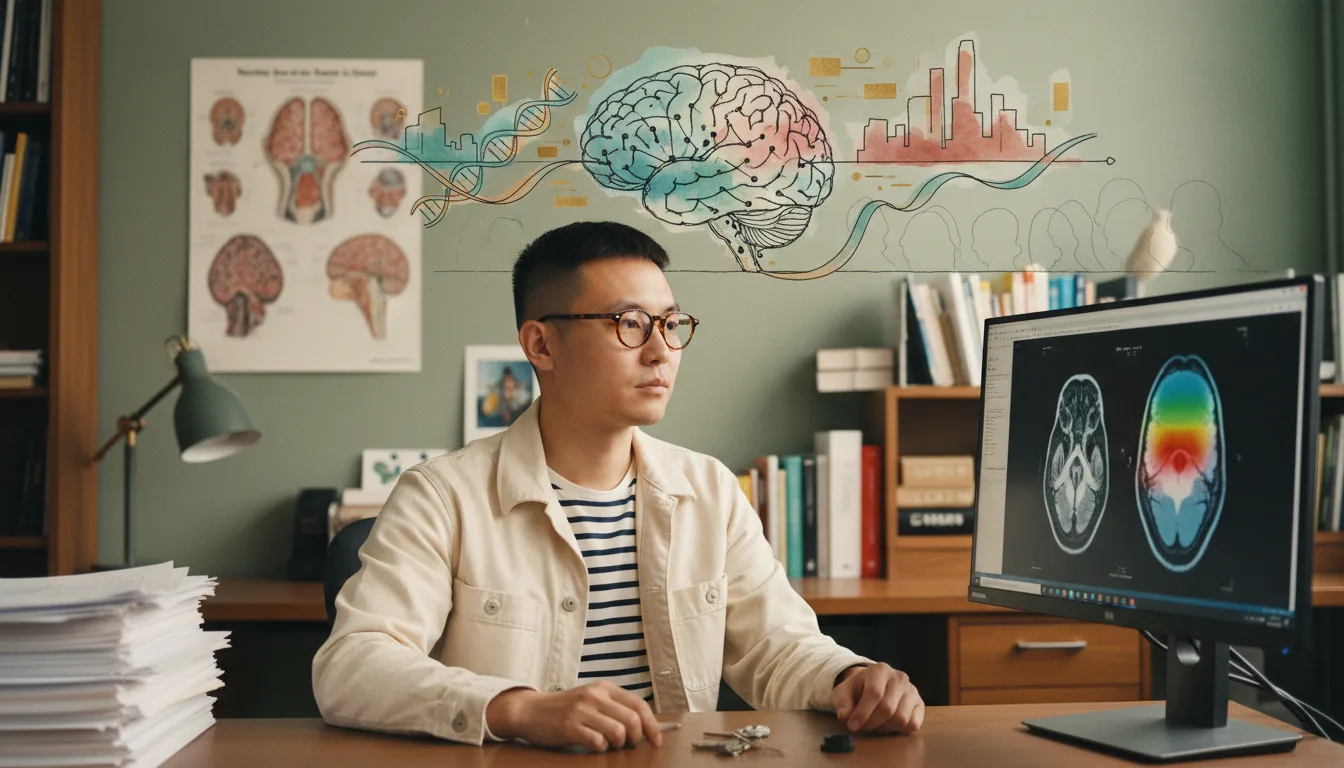
Functional brain imaging shows that stimulants can increase activation in brain regions associated with cognitive control, particularly the right inferior frontal cortex and insula. These are areas consistently identified as underactive in ADHD during tasks requiring inhibition and time perception.
A systematic review and meta-analysis by Rubia and colleagues examined 14 functional MRI datasets involving 212 children with ADHD. The most consistent finding was that stimulant medication increased activation in the right inferior frontal cortex and insula during tasks requiring inhibition and time discrimination (Rubia et al., 2014) [3]. The right inferior frontal cortex is one of the brain's primary "braking" regions: it helps you stop an action you have already started, wait before responding, and judge how much time has passed.
The same meta-analysis found that stimulants did not consistently change brain activation during working memory tasks, suggesting that the medication's effects may be more specific than a general cognitive boost. It appears to target the control and inhibition circuits most reliably, which aligns with the clinical observation that stimulants help most with impulsivity and sustained attention rather than with memory capacity itself.
These imaging findings support the neurochemical story: stimulants are not turning on a "focus switch." They are strengthening the prefrontal circuits that regulate behavior, and the improved focus follows as a downstream consequence.
For a broader overview of how ADHD medications work, including both stimulant and non-stimulant options, see our ADHD medications guide.
What did the 2025 Cell study change about our understanding?
A 2025 study published in Cell found that prescription stimulants act primarily on brain networks controlling wakefulness and reward rather than directly on attention circuits. This challenges the longstanding assumption that stimulants improve ADHD symptoms by enhancing the brain's attention systems.
Led by researchers at Washington University School of Medicine, the study used brain imaging to map which networks stimulant medications actually affect. The results showed that the drugs produced patterns of brain activity that mimicked the effects of adequate sleep, and that they enhanced activity in wakefulness and reward centers rather than in the attention circuitry that had been the assumed target for decades (NIH, 2026) [5].
As lead researcher Benjamin Kay explained: the improvement in attention appears to be a secondary effect of a person being more alert and finding a task more rewarding, which naturally helps them pay more attention to it (WashU Medicine, 2025) [6].
This finding does not contradict the earlier prefrontal cortex research. Instead, it adds a layer. The prefrontal cortex story explains how low-dose stimulants strengthen cognitive control at the circuit level. The Cell study zooms out and suggests that the broader mechanism involves wakefulness and reward: the person becomes more alert and more motivated, and those states create the conditions under which the prefrontal cortex can do its filtering work effectively.
The study also found that stimulants and additional sleep affected the brain in similar ways, which has practical implications. It suggests that adequate sleep may support some of the same brain functions that stimulant medications target, and that addressing sleep problems could be an important complement to medication for people with ADHD.
What we know vs. what is still emerging
Checklist: questions to ask your clinician about stimulant medication
If you are considering or already taking stimulant medication for ADHD, these questions can help you have a more informed conversation with your prescriber:
- What dose are we starting with, and how will we know if it needs adjusting?
- How long should I expect before I notice effects, and what should I watch for?
- Are there specific times of day that work best for taking this medication?
- How might my sleep habits affect how well the medication works?
- What side effects should prompt me to contact you between appointments?
- Should I track anything (mood, focus, sleep, appetite) to help us evaluate how it is working?
- How does this medication interact with other medications or supplements I take?
If restlessness, focus loss, or stimulation-seeking feels uncomfortably familiar, our free ADHD self-test can help you organise those observations before booking a clinical conversation about medication.
 Infographic: key points about why stimulants calm adhd.
Key research numbers behind the stimulant paradox, from dopamine transporter density to prefrontal cortex activation changes.
Infographic: key points about why stimulants calm adhd.
Key research numbers behind the stimulant paradox, from dopamine transporter density to prefrontal cortex activation changes.
Frequently asked questions
Why do stimulants not make people with ADHD hyper?
At therapeutic doses, stimulants raise catecholamine levels primarily in the prefrontal cortex rather than flooding the entire brain. This targeted increase strengthens cognitive control and reduces restlessness. The "hyper" effect people associate with stimulants typically occurs at higher, non-therapeutic doses that produce widespread catecholamine release across many brain regions (Berridge et al., 2011).
Do stimulants work the same way in people without ADHD?
Research shows that low-dose stimulants improve prefrontal cortex function in people with and without ADHD (Arnsten, 2006). The difference is that people with ADHD may have a greater baseline deficit in prefrontal catecholamine activity, so the functional improvement can be more noticeable in daily life. Stimulants are not "ADHD-specific" drugs; they are prefrontal-cortex-enhancing drugs at low doses.
Can stimulants help with emotional regulation in ADHD?
Emerging evidence suggests they can. A review by Posner and colleagues found promising signals that stimulants may reduce emotional lability (sudden strong shifts in emotion) in people with ADHD, likely through the same prefrontal strengthening that improves attention (Posner et al., 2014). However, research in this area is still developing, and emotional regulation difficulties may also require additional strategies beyond medication.
What happens if the stimulant dose is too high?
High doses of stimulants can impair prefrontal cortex function rather than enhance it. Research in animal models shows that excessive catecholamine stimulation leads to perseverative errors (getting stuck on one response) and reduced working memory, similar to patterns seen in untreated ADHD (Arnsten, 2006). This inverted-U relationship is why dose titration with a clinician is important.
Why do some people with ADHD feel sleepy after taking stimulants?
One explanation, supported by optimal arousal theory, is that the medication reduces the internal restlessness that was keeping the person artificially alert. Once the prefrontal cortex is functioning more effectively, the compensatory drive to stay stimulated decreases, and underlying fatigue may become apparent. The 2025 Cell study also found overlap between stimulant effects and sleep effects on brain activity (NIH, 2026).
Is the stimulant paradox real?
The term "paradox" is a misnomer. It was based on the incorrect assumption that stimulants should always increase activity and alertness. Once researchers demonstrated that low doses act preferentially on the prefrontal cortex and improve cognitive control in everyone (not just people with ADHD), the apparent contradiction disappeared (Berridge et al., 2011).
Do stimulants fix the underlying cause of ADHD?
No. Stimulants raise catecholamine levels while the medication is active, but they do not change the underlying neurobiology of ADHD. When the medication wears off, prefrontal cortex function typically returns to its baseline level. This is why ADHD management usually involves ongoing strategies alongside medication, including behavioral approaches, sleep optimization, and environmental adjustments.
How does sleep relate to stimulant effectiveness?
The 2025 Cell study found that stimulant medications produced brain activity patterns similar to those produced by adequate sleep (NIH, 2026). This suggests that sleep deprivation may work against the medication's effects, and that prioritizing sleep could complement stimulant treatment. Discuss sleep concerns with your clinician, as both the timing of medication and sleep habits can affect outcomes.
Are stimulants the only medication option for ADHD?
No. Non-stimulant medications, such as atomoxetine and guanfacine, also target catecholamine systems but through different mechanisms. They may be appropriate when stimulants are not well tolerated or when there are specific clinical reasons to avoid them. A prescribing clinician can help determine which option fits your situation. Our ADHD medications guide provides an educational overview of both classes.
Can I tell from my response to caffeine whether stimulant medication would help?
Caffeine and prescription stimulants both affect alertness, but they work through different mechanisms. Caffeine primarily blocks adenosine receptors (which promote sleepiness), while prescription stimulants directly increase dopamine and norepinephrine availability. Some people with ADHD report that caffeine helps them focus, but a positive or negative response to caffeine does not reliably predict how someone will respond to prescription stimulants. A clinical evaluation is the appropriate way to determine whether medication might help.