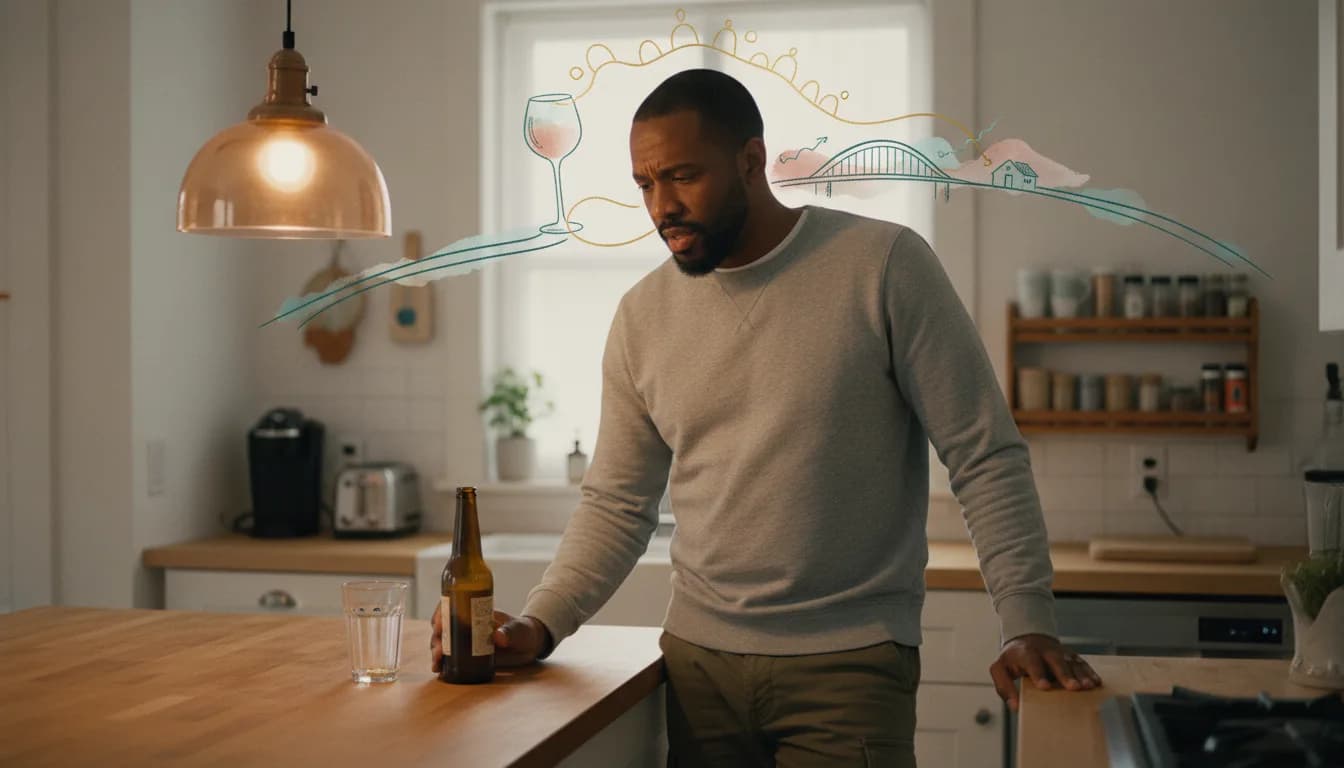
Why are ADHD and alcohol so closely linked?
The connection between ADHD and alcohol runs through several pathways: shared genetics, impulsivity, difficulty with emotional regulation, and a reward system that responds differently to stimulation. These factors do not guarantee problems with alcohol, but they can increase vulnerability across the lifespan.
ADHD and alcohol use disorders share a significant genetic overlap. Research has identified shared risk genes involved in dopamine and glutamate signaling, the same neurotransmitter systems that affect attention, motivation, and reward processing [1]. This means that some of the biological factors that contribute to ADHD also raise the baseline risk for problematic alcohol use, before any environmental factors come into play.
Impulsivity adds a behavioral layer. Adults with ADHD are more likely to act on urges without fully weighing consequences, which can mean saying yes to another drink when the original plan was to stop at two. A 2002 review noted that ADHD generally precedes alcohol problems and is correlated with developmentally inappropriate levels of alcohol use [3]. The impulsivity is not a character flaw. It reflects how the ADHD brain processes decisions about immediate reward versus delayed consequences.
Emotional dysregulation plays a role too. Many adults with ADHD experience intense emotional responses to frustration, rejection, or boredom. Alcohol can temporarily dampen those feelings, creating a pattern that is easy to repeat. The relationship between ADHD, heavy drinking, and depression appears to strengthen over time: a longitudinal study following participants from ages 21 to 29 found that the association between heavy alcohol use and depression became significantly stronger in the late twenties, with adults who had ADHD histories showing faster growth in depressive symptoms during this period [4].
Is drinking to cope with ADHD a form of self-medication?
 Self-medication with alcohol often begins as a way to quiet the mental noise that ADHD creates at the end of a long day.
Many adults with ADHD describe reaching for alcohol specifically to manage symptoms: to quiet a mind that will not stop, to ease social anxiety, or to create a sense of calm that feels otherwise out of reach. Clinicians recognize this pattern as self-medication, and it is one of the most common pathways from ADHD to problematic drinking.
Self-medication is not a conscious, deliberate strategy for most people. It often develops gradually. A drink after work helps you unwind from a day of constant mental effort. A few drinks at a social event make conversation feel less exhausting. Over time, the brain learns that alcohol provides fast, reliable relief from ADHD-related discomfort, and the pattern becomes harder to interrupt.
A Frontiers in Psychiatry study examined whether adults with ADHD drink specifically to cope with hyperactive symptoms, finding evidence that self-reported coping motives are common in this group [8]. The challenge is that alcohol's short-term relief comes with long-term costs: disrupted sleep, worsened emotional regulation, and increased impulsivity the next day, all of which make ADHD symptoms harder to manage.
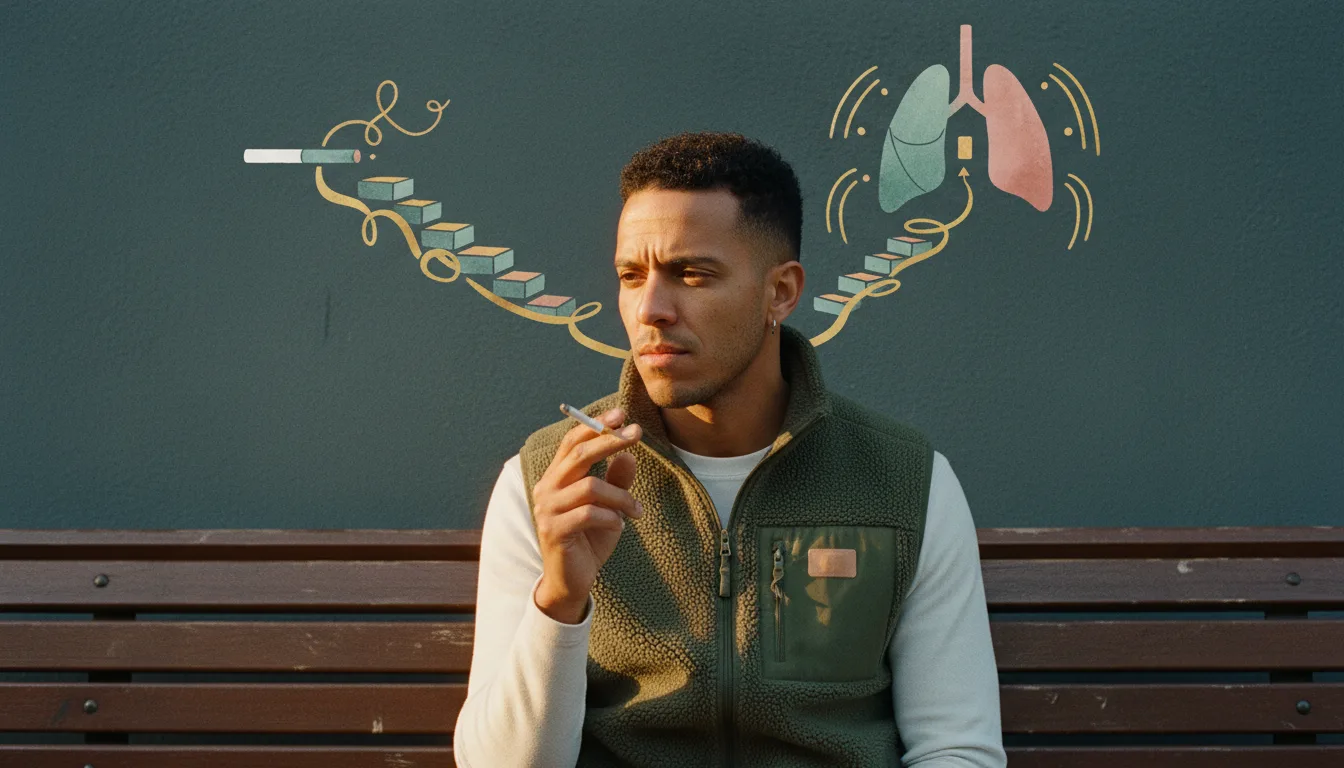
The self-medication cycle
Understanding this cycle is not about blame. It is about recognizing a pattern so you can interrupt it with strategies that actually work long-term. The consequences of untreated ADHD in adults can make self-medication feel like the only option available, which is why getting the right support matters.
How does the ADHD brain respond differently to alcohol?
The ADHD brain may be more sensitive to alcohol's effects on impulse control, which helps explain why "just one drink" can be harder to stick to. Research suggests that the same neurological differences that cause ADHD symptoms also change how alcohol affects decision-making in the moment.
One small laboratory study (10 adults with ADHD, 12 controls) tested this directly using a task that measures the ability to stop an action once it has been started. In the control group, certain cues helped protect against alcohol's disinhibiting effects. In the ADHD group, those protective cues did not work: alcohol impaired impulse control regardless of the cue condition [6]. This is a single small study, and larger research is needed to confirm the finding, but it aligns with what many adults with ADHD describe: a feeling that alcohol "takes the brakes off" more quickly and completely than it seems to for others.
The reward system also plays a role. Dopamine, which is central to how the brain processes motivation and reward, functions differently in ADHD. Alcohol triggers a dopamine release that can feel especially rewarding to a brain that is chronically under-stimulated. This does not mean everyone with ADHD will develop a drinking problem, but it does mean the neurological deck is stacked in a way that requires awareness.
What is the actual addiction risk?
Adults with ADHD face a meaningfully higher risk of developing alcohol use disorders compared to the general population. A 2021 review reported that up to 43% of adults with ADHD develop an alcohol use disorder at some point, and that in adults already being treated for alcohol problems, ADHD occurs in roughly 20% but is vastly under-recognized and under-treated [1].
A 2024 VA Evidence Synthesis Program systematic review confirmed the high co-occurrence of ADHD and substance use disorders in adults, noting that ADHD is notably overrepresented in substance use treatment settings [7]. A 2025 review found an estimated prevalence of 21-23% for ADHD among people in substance use treatment centers, with many receiving their first ADHD diagnosis in that setting [2].
"Many adults in these settings receive an ADHD diagnosis for the first time, highlighting the frequent underdiagnosis of ADHD among individuals seeking treatment for alcohol and substance use issues."
Hernandez et al., 2025 [2]
These numbers carry an important implication: if you are struggling with alcohol and have never been assessed for ADHD, it may be worth exploring. ADHD that goes unrecognized can quietly drive drinking patterns for years. Learning about ADHD and its common comorbidities can help you see the fuller picture.
Risk factors that increase vulnerability
Not every adult with ADHD will develop alcohol problems. Several factors raise the risk further:
- Co-occurring conduct problems in childhood or adolescence: A history of oppositional or conduct-related difficulties is one of the strongest predictors of later substance use problems in people with ADHD [1]
- Untreated or undiagnosed ADHD: Without effective management, the drive to self-medicate is stronger
- Co-occurring depression or anxiety: These conditions, which are common alongside ADHD, add additional reasons to reach for alcohol
- High impulsivity: Even within ADHD, individuals with more pronounced impulsivity traits face greater risk
- Limited access to support: People without access to mental health care, coaching, or structured routines have fewer alternatives to alcohol for managing symptoms
Can you drink alcohol while taking ADHD medication?
Mixing alcohol with ADHD medication is a topic that deserves an honest conversation with your prescriber, because the interactions can be more complex than a simple "yes" or "no." In general, alcohol can reduce the effectiveness of ADHD medication and increase certain side effects.
Stimulant medications (such as methylphenidate and amphetamine-based medications) and alcohol affect the cardiovascular system in opposing ways. Stimulants increase heart rate and blood pressure; alcohol can initially lower blood pressure before causing rebound effects. Combining them can mask how intoxicated you feel, leading to drinking more than intended, which is especially risky given the impulse control challenges that already come with ADHD.
Non-stimulant medications carry their own considerations. A clinical practice guideline using the GRADE approach noted that atomoxetine (a non-stimulant) received a weak recommendation for reducing both ADHD symptoms and alcohol craving in adults with co-occurring ADHD and alcohol use [5]. This suggests some non-stimulant options may be better suited for adults who are actively working on their relationship with alcohol, but this is a decision for a prescribing clinician, not something to navigate alone.
Questions to ask your prescriber about alcohol
Being honest with your prescriber about how much and how often you drink is essential. They cannot make good medication decisions without accurate information, and they are not there to judge you.
What does practical harm reduction look like?
Harm reduction is a realistic approach that meets you where you are. It does not require perfection or immediate abstinence. For adults with ADHD, effective harm reduction works with the brain's tendencies rather than against them.
Set limits before you start drinking. ADHD impulsivity makes in-the-moment decisions unreliable. Decide how many drinks you will have before you arrive at the event or open the bottle. Write the number down or tell someone.
Use external cues and reminders. Set a phone alarm for when you planned to stop. Alternate alcoholic drinks with water or a non-alcoholic option. These external structures compensate for the internal regulation that ADHD can make difficult.
Track your drinking patterns. Many adults with ADHD underestimate how much they drink because working memory and time perception can be unreliable. A simple note in your phone after each drink gives you accurate data to work with.
Identify your triggers. Notice when the urge to drink is strongest. Is it after a day of hyperfocusing and crashing? After a social interaction that felt awkward? When you are bored? Naming the trigger creates a small gap between the urge and the action.
Build alternative relief strategies. Exercise, cold water on the face, music, or a brief intense activity (a video game, a puzzle) can provide some of the same dopamine and nervous system regulation that alcohol offers, without the aftereffects.
Remove friction for the alternative, add friction for the drink. Keep non-alcoholic options visible and cold. Keep alcohol in a less convenient location. ADHD brains follow the path of least resistance, so design your environment accordingly.
If unrecognized ADHD may be shaping your drinking patterns, a short adult ADHD self-check focused on self-medication signs takes about five minutes and can help you decide whether to raise the topic with a clinician.
Where can you find support?
 Effective support for ADHD and alcohol concerns often combines behavioral strategies with professional guidance tailored to both conditions.
Getting help for co-occurring ADHD and alcohol problems works best when both conditions are addressed together. Clinical guidelines recommend integrated treatment because managing one while the other goes unrecognized tends to undermine progress [5].
Talk to your GP or primary care provider. Mention both ADHD symptoms and your concerns about alcohol. Many clinicians will screen for both if you raise the topic. In the UK, NHS trusts like Leicestershire Partnership provide specific guidance on ADHD and substance use while patients wait for assessment.
Seek clinicians who understand both conditions. ADHD-aware therapists and addiction specialists who also screen for ADHD can provide more effective treatment than seeing separate providers who do not communicate. A 2025 review emphasized that routine ADHD screening should be implemented in alcohol use disorder treatment settings [2].
Consider therapy approaches designed for dual challenges. Cognitive behavioral therapy (CBT) adapted for ADHD can address the thought patterns and habits that drive both ADHD-related difficulties and problematic drinking. Motivational interviewing can help you clarify your own reasons for change without external pressure.
Peer support and community resources. Organizations like SMART Recovery offer evidence-based mutual support groups. Some ADHD-specific communities (online and in person) include discussions about substance use that can reduce the isolation many people feel.
If you are in crisis. In the US, the SAMHSA National Helpline (1-800-662-4357) provides free, confidential referrals 24/7. In the UK, contact Drinkline at 0300 123 1110. In Australia, the National Alcohol and Other Drug Hotline is 1800 250 015.
The research is clear on one point: people with ADHD have historically had poorer outcomes from standard alcohol treatment programs that do not account for ADHD [3]. Seeking treatment that addresses both conditions is not asking for special treatment. It is asking for the right treatment.
 Infographic: key points about adhd and alcohol.
Breaking the self-medication cycle usually requires addressing ADHD symptoms and drinking patterns at the same time.
Infographic: key points about adhd and alcohol.
Breaking the self-medication cycle usually requires addressing ADHD symptoms and drinking patterns at the same time.
Frequently asked questions
Does alcohol make ADHD symptoms worse?
There is limited direct research on whether alcohol worsens ADHD symptoms in the short term. What is better established is that alcohol disrupts sleep, impairs executive function, and increases emotional reactivity the next day, all of which overlap with and can intensify existing ADHD difficulties. Chronic heavy drinking is associated with greater ADHD symptom severity in observational studies.
Can ADHD medication reduce the urge to drink?
Some evidence suggests that treating ADHD can reduce the drive to self-medicate with alcohol. A clinical guideline using the GRADE approach gave a weak recommendation for atomoxetine to reduce alcohol craving in adults with co-occurring ADHD and alcohol use [5]. Stimulant medications may help by reducing the underlying symptoms that drive drinking, though they are not recommended specifically to reduce substance use.
Is it safe to drink on stimulant medication?
Combining stimulants with alcohol can mask intoxication, meaning you may feel less drunk than you actually are. This increases the risk of drinking more than intended and of cardiovascular strain. Discuss your specific medication and drinking habits openly with your prescriber to get personalized guidance.
How do I know if my drinking is related to ADHD?
Common patterns include drinking to quiet racing thoughts, to manage social anxiety, to create a sense of calm, or to cope with the emotional crash after a demanding day. If your drinking increases during periods of high ADHD-related stress, or if you started drinking more before you were diagnosed, the connection may be worth exploring with a clinician.
Does treating ADHD reduce alcohol problems?
Clinical guidelines recommend treating both conditions together [5]. Treating ADHD alone does not automatically resolve alcohol use problems, but it can reduce the self-medication drive and improve the executive function skills needed to follow through on harm reduction or recovery strategies.
Are people with ADHD more likely to become alcoholics?
A 2021 review found that up to 43% of adults with ADHD develop an alcohol use disorder at some point in their lives, a rate substantially higher than the general population [1]. Not everyone with ADHD will develop alcohol problems, but the risk is elevated, particularly when ADHD is untreated or when co-occurring conditions like depression or conduct disorder are present.
Can you get an ADHD diagnosis if you are currently drinking heavily?
Yes, though the process may require additional steps. Active heavy drinking can mimic or mask ADHD symptoms, making diagnosis more complex. A 2025 review noted that many adults first receive an ADHD diagnosis while in substance use treatment [2]. Clinicians experienced with both conditions can often distinguish between the two, sometimes by looking at childhood history or using structured diagnostic interviews.
What type of therapy works best for ADHD and alcohol problems together?
Cognitive behavioral therapy adapted for ADHD, combined with motivational interviewing for alcohol use, is a common approach. The key is finding a therapist who understands both conditions. Clinical guidelines emphasize that combining medication management with psychotherapy produces better outcomes than either approach alone for co-occurring ADHD and substance use [5].
Does the ADHD-alcohol link affect men and women differently?
Research on gender differences in this specific area is still developing. Women with ADHD are more likely to be diagnosed later in life, which means more years of potential self-medication before receiving appropriate treatment. Both men and women with ADHD show elevated rates of alcohol use disorders compared to the general population.
Should I tell my therapist or doctor about my drinking?
Yes. Being honest about your alcohol use is one of the most important things you can do for effective treatment. Clinicians cannot make good decisions about ADHD medication, therapy approaches, or safety monitoring without accurate information. They are trained to respond without judgment, and the information you share is confidential.